Make the parts plan configuration-specific
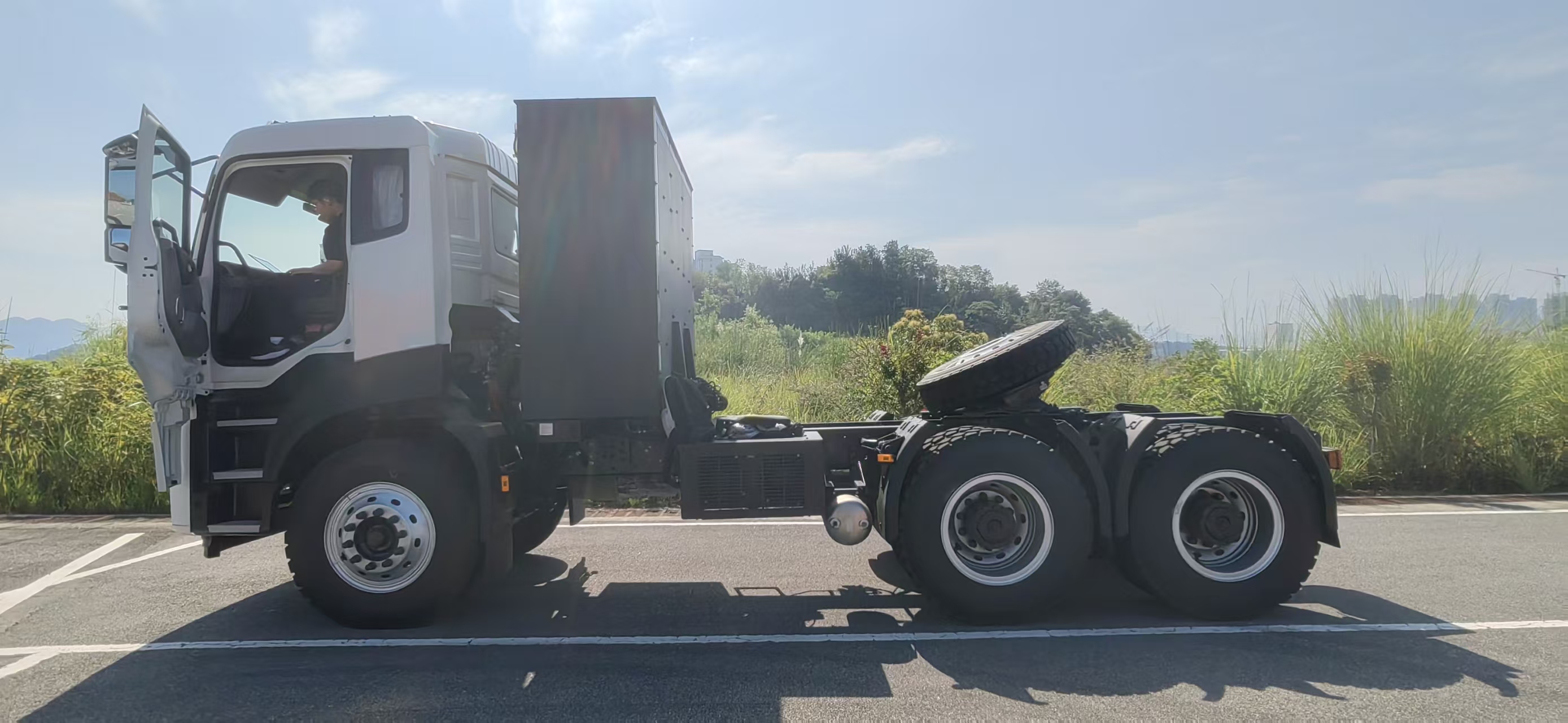
Parts identification begins with the delivered vehicle, not only the model family. The user-provided TE9Y worksheet gives a helpful configuration reference, but it does not include a bill of materials, service intervals, part numbers, interchangeability, failure rates or local stock recommendation. The table below shows which details can guide a support conversation and what the buyer still needs.
| TE9Y worksheet item | Listed value | After-sales action |
|---|---|---|
| Model code | DFH4250YBEV8-TE9Y-902 | Match order, VIN/build identity and parts catalogue revision |
| Layout / GCW | 6×4 / 120,000 kg listed | Confirm final axle and chassis configuration |
| Battery | 600.92 kWh listed | Obtain pack identifiers and approved service boundaries |
| Drive motor | TZ460XS-LKM2810; 315 kW rated / 510 kW peak | Confirm installed supplier/component variant and diagnostics |
| Transmission | AMT J4S280 DD listed | Verify exact unit, service documentation and support route |
| Charging | Dual-gun DC, 600 A listed | Confirm inlet, connector, charger pairing and spare accessories |
| Front / rear axle entries | DF701S / 7 t; DF300H / 25 t × 2 | Confirm rating basis, part numbers and axle variants |
These are transcribed configuration references, not a stocking list. Read the TE9Y Pakistan configuration guide for additional source and interpretation limits.
Build a parts baseline from the signed vehicle record
Collect the final vehicle specification, VIN and build records, component manufacturer names, serial or variant identifiers, wiring and pneumatic diagrams, service manuals, diagnostic instructions and the approved parts catalogue. Record revisions and the vehicle options that affect compatibility. A model name by itself may not distinguish a connector, axle, brake, cab or software variation.
Ask the manufacturer or authorized distributor to identify parts that are owner-serviceable, workshop-serviceable and restricted to trained or authorized high-voltage service. Keep those groups separate in the inventory system. Never plan to open or repair a high-voltage battery or drive component without the manufacturer's approved procedures, qualified staff and suitable facility.
Clarify consumables and routine service needs separately from repair parts. The fleet should use the manufacturer maintenance schedule to identify filters, fluids, brake wear items, tyres and other recurring checks applicable to the actual vehicle. Do not assume that an electric truck has no conventional chassis maintenance, or that every internal-combustion service item applies to an electric model.
Prioritize parts using operational risk, not guesswork
For each candidate item, record the consequence of unavailability, likelihood or observed service history, supplier lead time, local sourcing options, storage requirements, interchangeability and whether the fleet can diagnose the fault. Separate “keep on site,” “regional source,” “order on demand” and “manufacturer-controlled repair” decisions. These are planning categories; the correct choice depends on the fleet and supplier agreement.
A practical starting table may include:
| Part group | Questions before stocking | Typical planning treatment |
|---|---|---|
| Routine service items | What does the exact maintenance schedule require, and at what usage interval? | Set replenishment from fleet count, planned service and local supply |
| Tyres, brakes and running gear | Which size/specification and axle variant are on the delivered truck? | Coordinate with local commercial-vehicle service providers |
| Charging accessories | Which inlet, cable, connector and charger configuration was ordered? | Hold only approved compatible accessories and define replacement route |
| Electrical and control components | Can the fleet diagnose, isolate and replace this unit under OEM procedures? | Agree technician qualification, diagnostic access and support escalation |
| High-voltage battery or drive components | What repair is permitted, who performs it and how is the unit transported? | Use manufacturer-controlled process and written turnaround responsibilities |
Do not assign quantities until the supplier provides part numbers and lead times and the fleet knows vehicle count, duty, service capacity and replenishment method. A first deployment with one truck and a regional fleet of dozens do not justify the same stock policy.
Parts only help when service can identify and install them
Agree how a driver reports a warning, what information the service desk needs and who can access diagnostic tools. Define first response, remote assistance, escalation, workshop handoff and parts authorization. State support hours and response targets only when the supplier has confirmed them in writing. The project materials do not establish a local service centre, warranty duration or response commitment for Pakistan, so buyers should request those details directly.
Plan staff training around roles: drivers need operating and warning-response guidance; fleet technicians need routine inspection and approved diagnostics; high-voltage work must follow manufacturer qualification requirements. Decide which jobs remain with the supplier or an authorized partner. The U.S. Department of Energy's Alternative Fuels Data Center fleet toolkit describes the need for EV-specific maintenance planning, staff training, diagnostic tools and identified on-site parts. See the NREL readiness guide for zero-emission fleets and AFDC fleet planning guidance for general frameworks; these do not define Dongfeng's service scope.
Link each stocked item to the fault codes, work instruction, safety boundary, compatible vehicle identifiers and responsible technician. Use a simple service record: date, vehicle, symptom, diagnostic outcome, part used, repair action, downtime and follow-up. Over time, actual records can improve the stocking policy.
Control replenishment, warranty and returns
For export fleets, confirm where parts ship from, expected dispatch and transit ranges, customs documentation responsibilities, packaging, battery or dangerous-goods handling where relevant, payment and return authorization. Ask whether the part is exchange-only, whether a core is returned, and who bears freight and diagnosis costs. Put warranty coverage, exclusions and claim evidence in the contract; do not infer it from a product page.
Set minimum and maximum quantities only after collecting actual demand and lead-time evidence. Include a review date after the first service cycles and after any change in model, component revision, route, climate or fleet size. Track supplier substitutions and require engineering approval when a replacement may affect compatibility. Keep critical documentation available offline in the workshop in case connectivity is unreliable.
Overseas electric truck support checklist
- Final build sheet, VIN/component identifiers and current parts-catalogue revision.
- Maintenance schedule, manuals, wiring diagrams and approved diagnostic access.
- Written boundary for owner, local workshop and manufacturer-controlled repairs.
- Part numbers, compatibility, lead times, local sourcing and replenishment route.
- Staff training, tools, facility readiness and high-voltage safety requirements.
- Support contacts, escalation path, service hours and any written response commitments.
- Warranty scope, exclusions, evidence requirements, returns and freight responsibilities.
- Inventory review using real fleet usage, service records and supplier performance.
For a support proposal, provide destination country, model/build code, fleet size, expected annual use, local workshop capability and supplier support expectations through the configuration enquiry page. Related planning: pre-shipment inspection checklist, hot-climate operations and the electric tractor range.
Frequently asked questions
How many electric truck spare parts should I stock?
There is no universal number. Use the exact build, fleet scale, component lead times, service data, local sourcing and supplier response agreement.
Should I stock a traction battery locally?
Only if the manufacturer and qualified local support plan explicitly define that process. Battery handling, diagnostics, repair and transport require approved procedures.
Does the TE9Y worksheet list spare part numbers?
No. It identifies configuration fields and component references, but not a bill of materials, interchangeability or stock quantities.
AFTER-SALES PLANNING
Preparing parts and service for an export fleet?
Share the exact build, deployment scale and local support capability for a parts-planning discussion.
Request a ConfigurationGeneral fleet references: NREL Technology Maintenance Readiness Guide and DOE AFDC Electric Vehicles for Fleets. Vehicle-specific scope must come from the manufacturer.